
Meningitis After Brain or Spine Surgery: Recognizing and Treating It
If you’ve had brain or spine surgery and develop a severe headache with fever, a stiff neck, confusion or a seizure, call 911 or go to the nearest emergency room.
What Is Postoperative Meningitis?
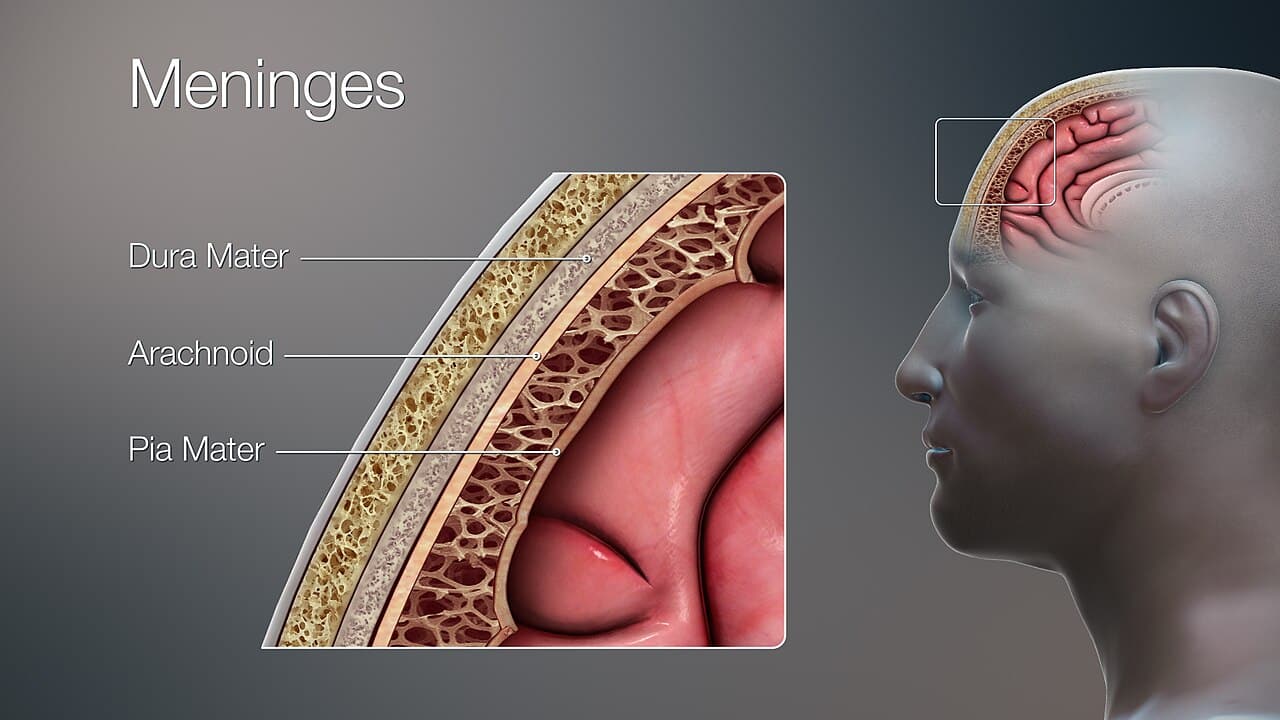
Meningitis is inflammation of the meninges, the thin layers that cover the brain and spinal cord and hold the cerebrospinal fluid (CSF). After neurosurgery, meningitis is an uncommon but serious complication. It can be caused by bacteria entering the CSF, often in connection with a CSF leak, a shunt or a drain. Some patients develop a non-infectious (chemical or aseptic) meningitis, which is a reaction to blood or tissue in the CSF rather than an infection.
Symptoms
- Severe or worsening headache
- Fever and chills
- Stiff neck
- Sensitivity to light
- Nausea and vomiting
- Confusion, unusual sleepiness or a seizure
- Clear fluid draining from the incision, nose or ear, which can signal a CSF leak
Risk Factors
- CSF leak after surgery or injury
- External ventricular or lumbar drains, especially when left in place longer
- Shunts
- Surgery through the sinuses or skull base
- Wound infection or healing problems
- Revision surgery
How It’s Diagnosed
- Lumbar puncture or drain sample: testing the CSF for white blood cells, glucose, protein and bacteria is the key test
- Blood tests and blood cultures
- CT or MRI: to look for an abscess, fluid collection, CSF leak or shunt problem
Treatment
Antibiotics
Bacterial meningitis is treated with IV antibiotics started as soon as it’s suspected, then tailored to the germ found in cultures, coordinated with infectious disease specialists. Treatment usually lasts one to three weeks.
Treating the source
Surgery may be needed to address the source of infection, such as repairing a CSF leak, cleaning out an infected wound, draining an abscess, or removing and later replacing an infected shunt or drain.
Non-infectious meningitis
Chemical (aseptic) meningitis is usually managed with supportive care and sometimes steroids, once infection has been ruled out.
What to Expect
Patients are treated in the hospital, often with close neurological monitoring. Many patients recover fully with prompt treatment. Follow-up visits check that the infection has cleared and the surgical site is healing.
Frequently Asked Questions
How common is meningitis after neurosurgery?
It is uncommon. The risk is higher with CSF leaks, drains and shunts.
Is postoperative meningitis contagious?
Meningitis after surgery is typically caused by bacteria entering at the surgical site, not the type that spreads from person to person.
How is it different from a normal headache after surgery?
Some headache is expected after surgery. A headache that is getting worse, especially with fever, stiff neck, vomiting or confusion, needs to be checked right away.
What does clear fluid from my nose or incision mean?
It can be a sign of a CSF leak, which raises the risk of meningitis. Call your surgeon promptly.
Will I recover fully?
Many patients do, especially when treatment starts early.
Concerned About an Infection After Surgery?
If you’ve had spine or brain surgery and notice fever, chills, redness, swelling or drainage from your incision, or pain that is getting worse instead of better, call the surgeon who performed your operation right away. If you can’t reach them, or you have new weakness or numbness, confusion, a stiff neck with severe headache, or bladder or bowel changes, go to the nearest emergency room or call 911.
This page is for educational purposes only and is not a substitute for medical advice. If you have fever with severe back or neck pain, sudden weakness, numbness in the groin, or bladder or bowel changes, call 911 or go to the nearest emergency room.