
Safely Reaching the Brain to Treat Tumors, Bleeding and More
Hearing that you need brain surgery is frightening. A craniotomy is one of the most common and well-established operations in neurosurgery, and for many conditions surgery can often correct the problem by removing what is pressing on or damaging the brain.
What Is a Craniotomy?
A craniotomy is surgery in which a section of the skull, called a bone flap, is temporarily removed so the surgeon can reach the brain. When the work on the brain is finished, the bone flap is put back in place and secured with small plates and screws, and the scalp is closed. The bone heals back into place over the following months.
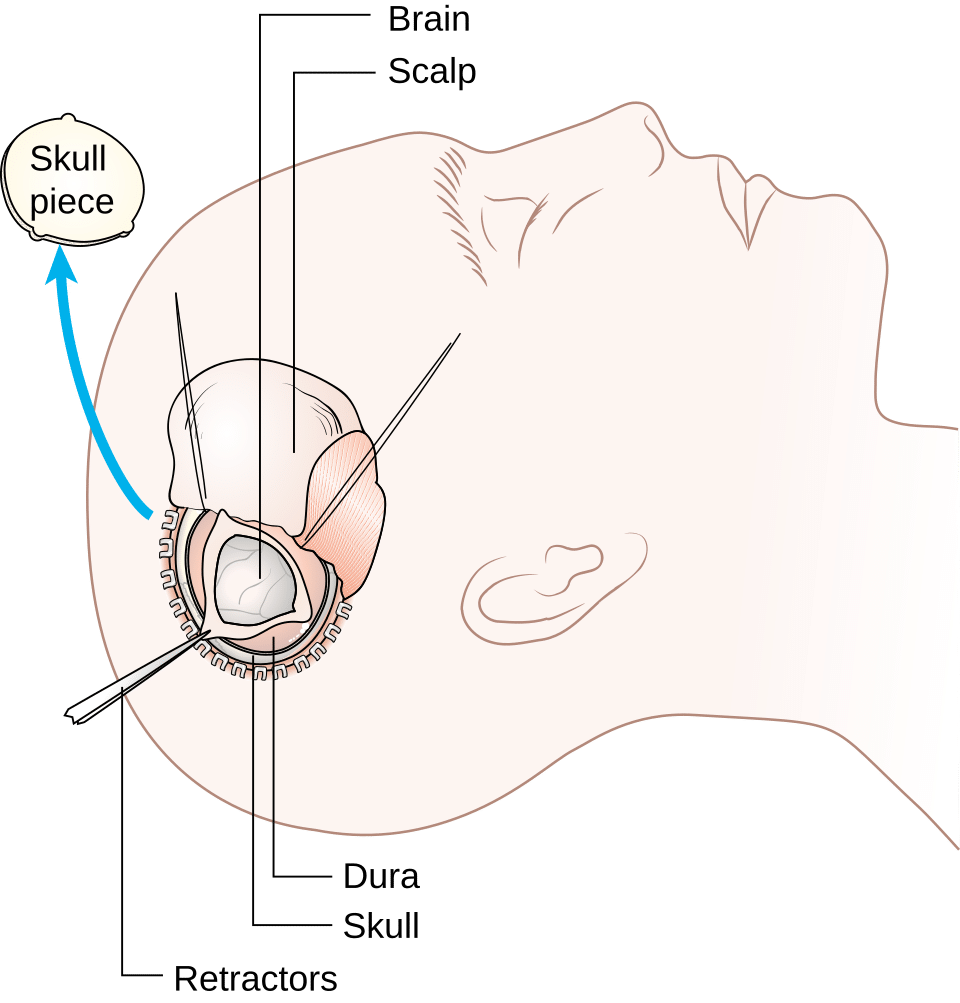
A craniotomy is the doorway to many brain operations. The size and location of the opening depend on what needs to be treated. Today, image-guided navigation, the operating microscope and careful nerve monitoring allow surgeons to work through smaller openings and protect healthy brain tissue.
Who Needs a Craniotomy?
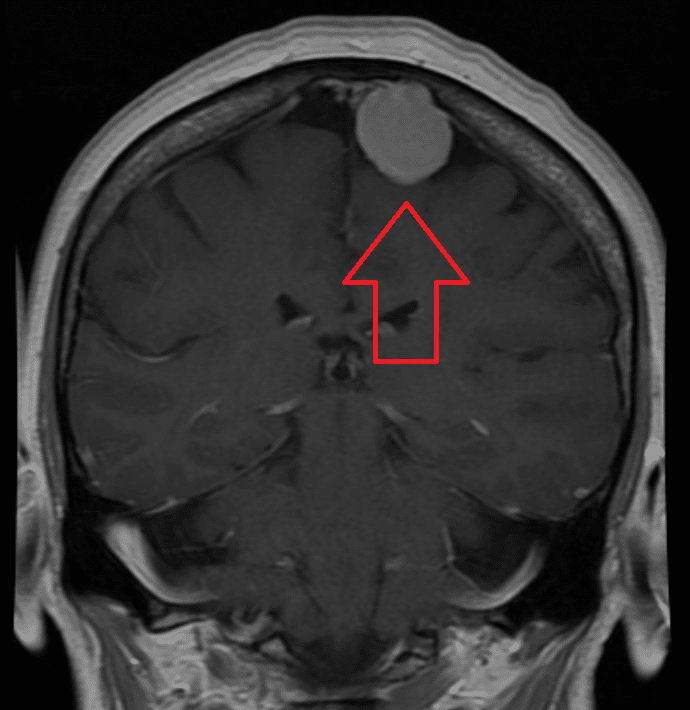
- Brain tumors, such as meningiomas, gliomas and metastatic brain tumors
- Bleeding on or in the brain, such as a subdural hematoma, epidural hematoma or intracranial hemorrhage
- A brain abscess or other infection that needs to be removed
- Pressure on the brainstem from a Chiari malformation (a related surgery at the base of the skull)
- Skull fractures that press on the brain (skull fractures)
Some brain tumors are best treated by brain tumor specialists at an academic medical center. Dr. Grunch reviews your imaging and makes that decision with you: she will either perform your surgery herself or refer you to a trusted brain tumor specialist, so you get the right operation from the right surgeon.
Treatments to Try First
- Observation: small, slow-growing tumors such as some meningiomas may simply be watched with regular MRIs
- Medications: steroids to reduce swelling and medications to prevent seizures
- Radiation: focused radiation (radiosurgery) is an option for some small tumors or tumors in hard-to-reach places
- Other cancer treatment: chemotherapy and other therapies, coordinated with your oncology team
When a tumor, blood clot or infection is growing, causing symptoms or putting pressure on the brain, surgery can often correct the problem.
How a Craniotomy Is Done
- Planning: MRI or CT images are loaded into a navigation system that works like a GPS for the brain.
- Anesthesia and positioning: You’ll be fully asleep, and your head is held still in a padded frame.
- Opening: A small area of hair is clipped, an incision is made in the scalp, and a section of skull is lifted.
- Treating the problem: Using the microscope and navigation, the surgeon opens the brain’s covering and removes the tumor, blood clot or infection while protecting healthy brain.
- Closing: The brain’s covering is closed, the bone flap is replaced with small plates and screws, and the scalp is closed with stitches or staples.
Watch Dr. Grunch walk through a brain meningioma case:
Video: Case Study 38, Brain Meningioma, presented by Dr. Grunch on her Ladyspinedoc channel (YouTube)
Watch an animation of how a craniotomy is done:
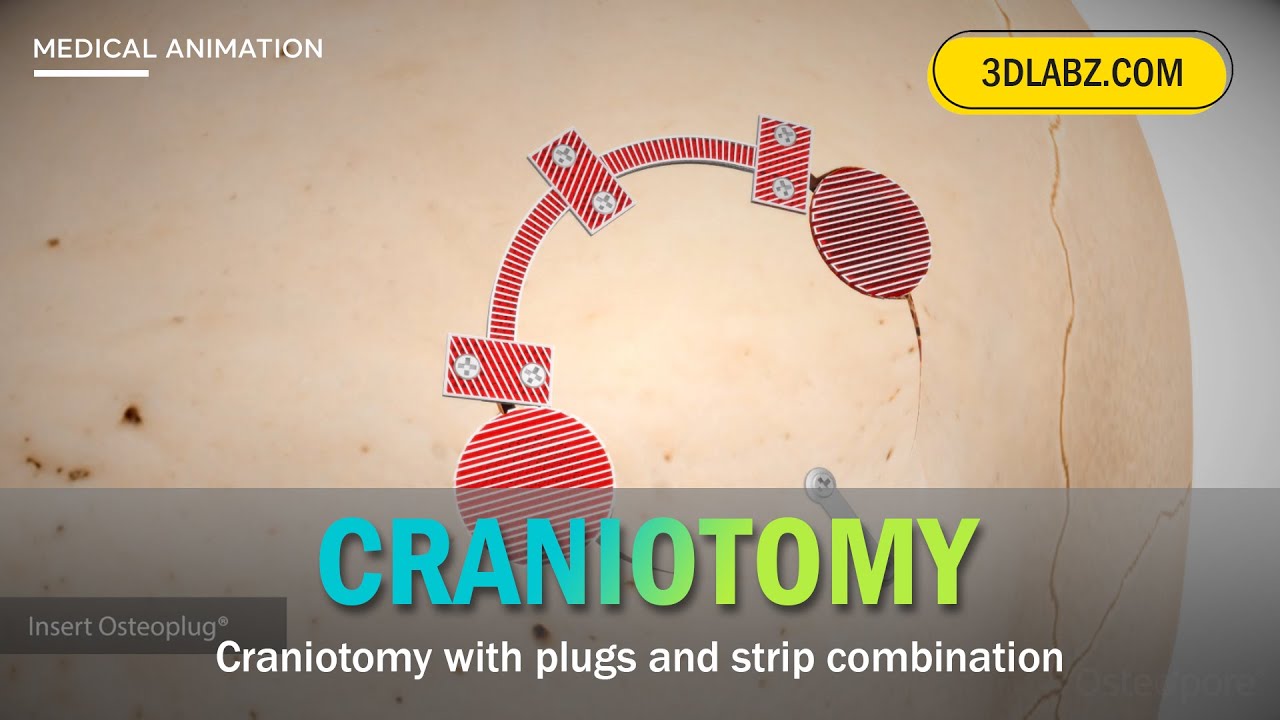
Video: Craniotomy Brain Surgery 3D Animation, courtesy of 3DLabz Medical Animation Studio (YouTube)
Benefits and Risks
Benefits
- Removes a tumor, blood clot or infection that is pressing on the brain
- Often relieves headaches, seizures, weakness or other symptoms
- Provides tissue for an exact diagnosis, which guides further treatment
- For some benign tumors, can be curative
Risks
- Bleeding or infection
- Swelling of the brain
- Seizures
- New or worsened weakness, numbness, or trouble with speech, vision or memory, depending on the location
- A spinal fluid leak or problems with wound healing
- Stroke, which is uncommon
- Risks related to anesthesia, including blood clots and pneumonia
Why Choose Dr. Betsy Grunch for Your Craniotomy
- Duke-trained: Dr. Grunch completed her neurosurgical residency at Duke University School of Medicine, one of the top neurosurgery programs in the country.
- Image-guided surgery: She uses navigation and the operating microscope to plan the safest path and protect healthy brain.
- Brain and spine expertise: As a neurosurgeon, she treats conditions of the brain, spine and nerves, from tumors and bleeding to infections.
- Experience you can count on: She has been in practice since 2013 and performs 400 to 600 surgeries a year, more than 5,000 procedures over her career.
- Honest guidance: She will tell you when your surgery is best done by a brain tumor specialist and will help you get to the right surgeon.
- A teacher at heart: As “Ladyspinedoc,” she is known for explaining brain and spine conditions clearly. You’ll leave your visit understanding your imaging and every option in front of you.
What to Expect
Before surgery
You’ll meet with Dr. Grunch or one of her physician assistants to review your MRI, your symptoms and your goals, and to decide together whether a craniotomy is right for you. Our team will coordinate pre-operative testing, review your medications (including blood thinners you may need to pause) and walk you through the day of surgery. You may be started on steroids or seizure medication before surgery.
Procedure day
Surgery usually takes three to six hours, depending on what is being treated. Most patients spend the first night in an intensive care unit for close monitoring and stay in the hospital for two to five days. You’ll have an MRI or CT scan after surgery, and physical and occupational therapy will help you get moving safely.
Recovery timeline
- First two weeks: Rest, short walks and plenty of sleep. Headaches, fatigue and some swelling around the eyes are common.
- Two weeks: Stitches or staples are removed, and you’ll review your pathology results if tissue was removed.
- Four to eight weeks: Most people gradually return to normal activities. Many with desk jobs return to work in about six to eight weeks.
- Beyond: Follow-up MRIs, and radiation or other treatment if needed, are planned based on your diagnosis.
Every patient heals differently. Your recovery will depend on the reason for surgery, the location in the brain and your overall health.
Caring for yourself at home
- Your incision: You can usually shower after two to three days. Let water run gently over the incision and pat it dry. Don’t scrub, soak in a bath or pool, or use hair dye or harsh hair products until it has fully healed. Staples or stitches are usually removed in 10 to 14 days.
- Activity: Walk every day and rest when you’re tired. Avoid heavy lifting, bending over and straining for about four to six weeks, and avoid contact sports until you are cleared.
- Medications: Take any seizure medication exactly as prescribed and don’t stop it on your own. Don’t take blood thinners, aspirin or anti-inflammatory medications such as ibuprofen until Dr. Grunch’s team tells you it’s safe. Take pain medication with food, avoid alcohol and use a stool softener so you don’t strain.
- Driving: Don’t drive until you are cleared. If you have had a seizure, Georgia law limits driving for a period of time.
- Recovery at home: Fatigue, headaches and trouble concentrating are common for several weeks. Have someone stay with you for the first few days.
Call the office at 470-293-9800 if you have a fever over 101°F, redness, swelling or drainage from the incision, clear fluid leaking from the incision or nose, or calf pain or swelling. Call 911 for a seizure, a sudden severe headache, new confusion or drowsiness, new weakness or numbness, trouble speaking, chest pain or shortness of breath.
Download your patient instructions
Your instructions depend on the type of surgery you have. Our team will give you written instructions before you go home, and you’ll find other patient sheets on our Patient Resources page.
Frequently Asked Questions
Will my head be shaved?
Usually only a small strip of hair along the incision is clipped. The incision is often placed behind the hairline so it’s hidden as your hair grows back.
Is the bone put back?
Yes. In a craniotomy, the bone flap is replaced and secured with small plates and screws at the end of surgery. (When the bone is left off to allow for swelling, the surgery is called a craniectomy.)
Will I be awake?
No. Dr. Grunch performs craniotomies under general anesthesia. When a tumor sits near areas that control speech or movement and an awake craniotomy is the safest approach, she refers you to a specialist who performs that surgery.
Will I need radiation or chemotherapy?
It depends on what the tissue shows. Benign tumors that are fully removed often need only follow-up MRIs. Cancers usually need additional treatment, coordinated with your oncology team.
When can I drive?
Not until you are cleared after surgery. If you have had a seizure, Georgia law limits driving for a period of time.
Take the Next Step
If a brain tumor or other brain condition is affecting your life, you have options. Whether you need a diagnosis, a treatment plan or a second opinion, Dr. Grunch and the Southern Neurosurgery team are here to help you understand your options.
Call 470-293-9800 to schedule an appointment or contact us online.
Have a question first? Ask our virtual assistant anything, 24/7.
We see patients across metro Atlanta and North Georgia at our offices in Gainesville, Sandy Springs and South Atlanta (Riverdale). Find the office nearest you.
Related pages: Meningiomas · Gliomas · Metastatic brain tumors · Brain biopsy · Subdural hematoma · Decompressive craniectomy
This page is for educational purposes only and is not medical advice. It does not replace individualized care from a licensed physician. If you have a sudden severe headache, a seizure, new weakness or numbness, confusion, or trouble speaking or seeing, call 911 or go to the nearest emergency room.