
Removing an Infection Inside the Brain
If you have a fever with a severe headache, confusion, a seizure, new weakness or trouble speaking, call 911 or go to the nearest emergency room. A brain abscess is a medical emergency.
A brain abscess is a serious infection, but with prompt drainage and antibiotics, many people make a good recovery. Brain abscess drainage removes the pus, relieves pressure on the brain and identifies the germ so the right antibiotics can be chosen.
What Is Brain Abscess Drainage?
A brain abscess is a pocket of pus inside the brain, surrounded by a capsule, caused by bacteria or, less often, fungi. Infections can reach the brain from the sinuses, ears or teeth, through the bloodstream, or after a head injury or brain surgery. Brain abscess drainage is surgery to remove the infection.
- Stereotactic aspiration: using a navigation system built from your MRI, a thin needle is guided through a small hole in the skull into the abscess, and the pus is drawn out.
- Craniotomy: for larger abscesses, abscesses near the surface or those that come back, a section of skull is lifted and the abscess and its capsule are removed.
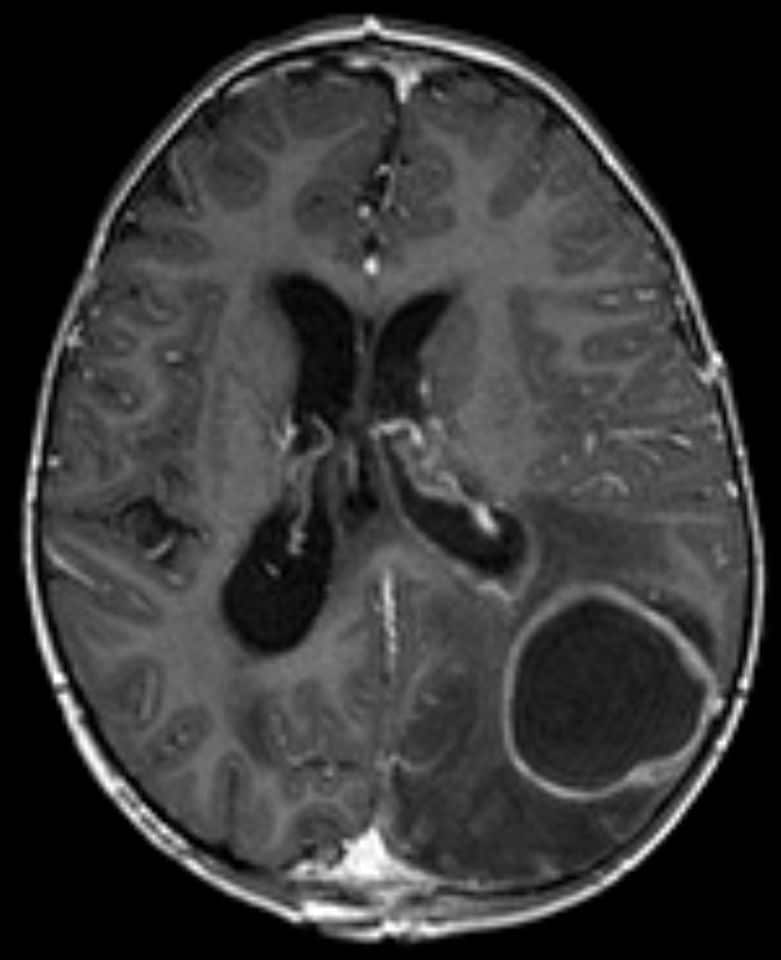
Who Needs Brain Abscess Drainage?
- An abscess larger than about 2.5 centimeters, or one causing pressure on the brain
- An abscess that isn’t shrinking with antibiotics
- When a sample is needed to identify the germ and choose the right antibiotics
- An abscess near the fluid spaces of the brain, which could rupture
Small abscesses, or several tiny abscesses, are sometimes treated with antibiotics alone and followed closely with MRI scans.
Treatment Without Surgery
- IV antibiotics: usually for six to eight weeks, often coordinated with infectious disease specialists
- Treating the source: such as a sinus, ear or dental infection
- Seizure medication and steroids: when needed to control seizures or swelling
How Brain Abscess Drainage Is Done
- Planning: An MRI is used to plan the safest path to the abscess.
- Anesthesia: You’ll be fully asleep.
- Draining the abscess: A needle is guided into the abscess through a small hole and the pus is removed, or the abscess is removed through a craniotomy.
- Testing: The pus is sent to the lab to identify the germ and which antibiotics will work best.
- Closing: The incision is closed. A small drain is sometimes left in place.
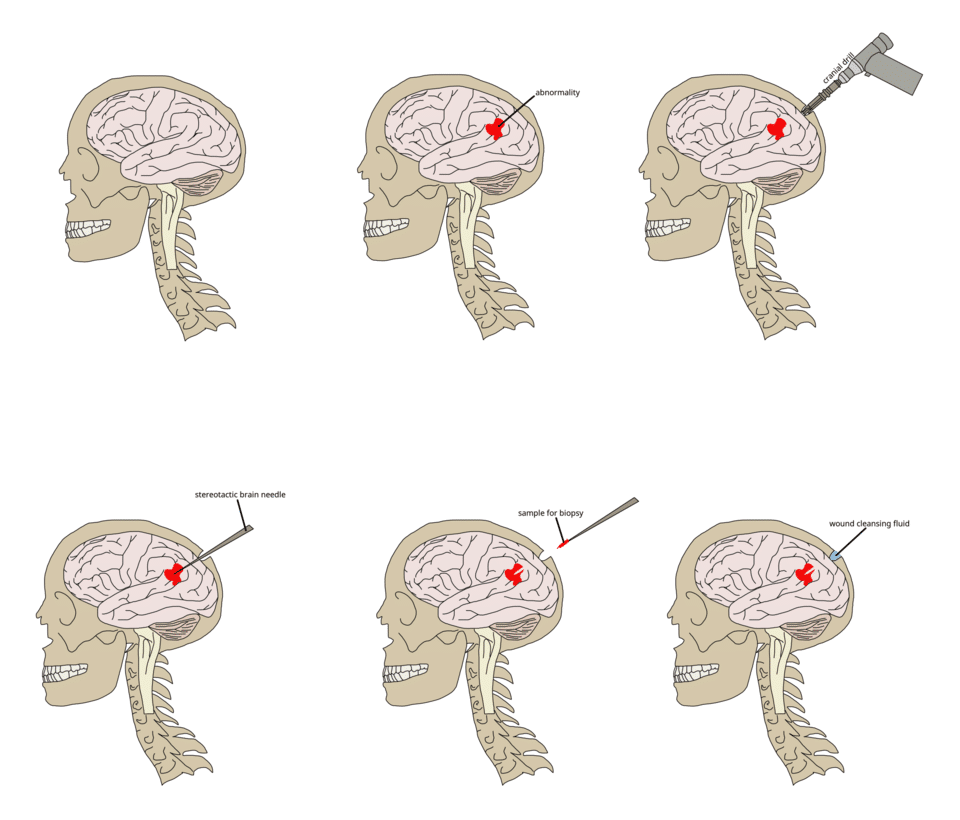
Learn how a brain abscess is drained:
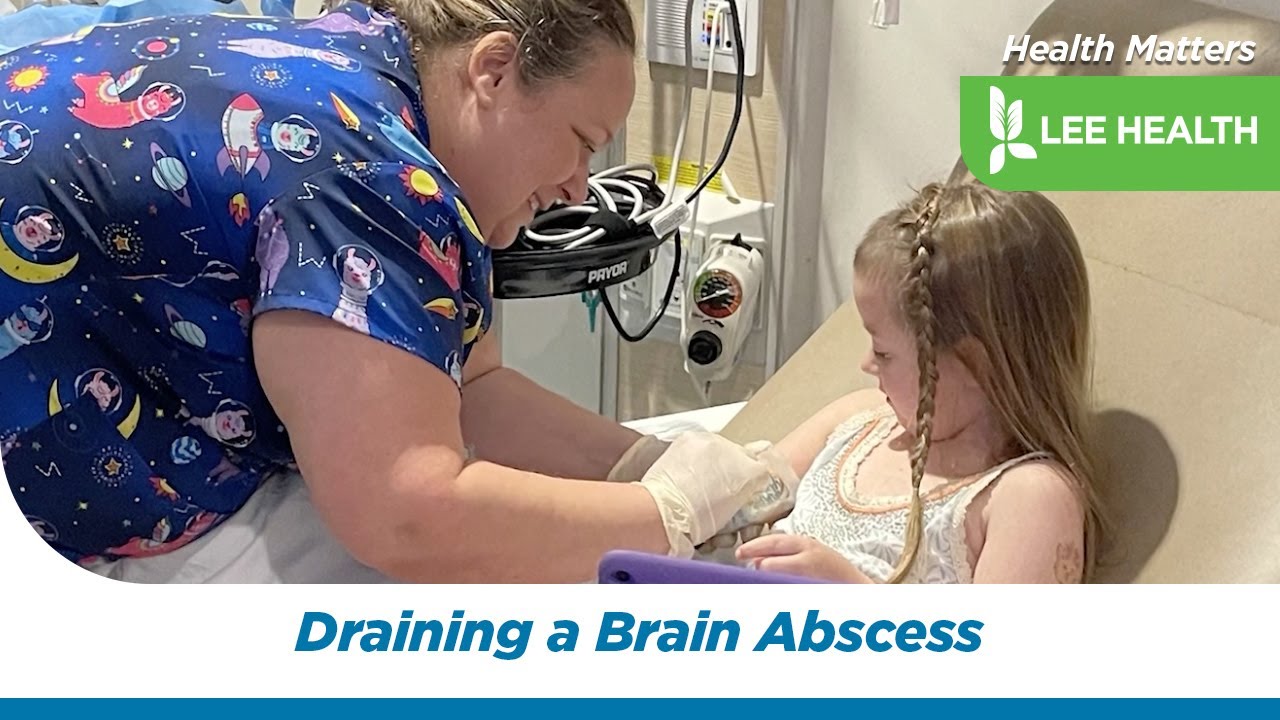
Video: Draining a Brain Abscess, courtesy of Lee Health (YouTube)
Benefits and Risks
Benefits
- Relieves pressure on the brain
- Identifies the germ so the most effective antibiotics can be used
- Speeds recovery and lowers the risk of the abscess rupturing
Risks
- Bleeding
- Seizures
- The abscess coming back, which may need another drainage
- Spread of infection, including meningitis
- New weakness, numbness or trouble with speech, depending on the location
- Risks related to anesthesia
What to Expect
In the hospital
Brain abscess drainage is usually done soon after the abscess is found. Most patients stay in the hospital for several days to a few weeks. A special IV line (a PICC line) is placed so you can continue antibiotics after you leave, often at home or at an infusion center.
Recovery timeline
- First weeks: IV antibiotics and repeat MRI scans to make sure the abscess is shrinking.
- Six to eight weeks: Antibiotics usually continue for this long, sometimes followed by antibiotic pills.
- Beyond: Follow-up MRIs and seizure medication as needed. Many people return to their usual activities over a few months.
Caring for yourself at home
- Your incision: You can usually shower after two to three days. Let water run gently over the incision and pat it dry. Don’t scrub, soak in a bath or pool, or use hair dye or harsh hair products until it has fully healed. Staples or stitches are usually removed in 10 to 14 days.
- Activity: Walk every day and rest when you’re tired. Avoid heavy lifting, bending over and straining for about four to six weeks, and avoid contact sports until you are cleared.
- Medications: Take any seizure medication exactly as prescribed and don’t stop it on your own. Don’t take blood thinners, aspirin or anti-inflammatory medications such as ibuprofen until your care team tells you it’s safe. Take pain medication with food, avoid alcohol and use a stool softener so you don’t strain.
- Driving: Don’t drive until you are cleared. If you have had a seizure, Georgia law limits driving for a period of time.
- Recovery at home: Fatigue, headaches and trouble concentrating are common for several weeks. Have someone stay with you for the first few days.
Call your surgeon or infectious disease doctor if you have a fever, redness or drainage at the incision or PICC line, or worsening headache. Call 911 for a seizure, new confusion or drowsiness, new weakness, trouble speaking or shortness of breath.
Frequently Asked Questions
How long will I need antibiotics?
Usually six to eight weeks of IV antibiotics, sometimes followed by antibiotic pills.
Can a brain abscess come back?
It can, which is why follow-up MRI scans are important during and after treatment.
How did I get a brain abscess?
Common sources include sinus, ear and dental infections, infections that travel through the bloodstream, and head injuries or surgery. Sometimes no source is found.
Will I have seizures?
Seizures can happen with a brain abscess and sometimes afterward. Seizure medication may be prescribed for a period of time.
Will I recover fully?
Many people recover well with prompt treatment. Recovery depends on the size and location of the abscess and how quickly treatment started.
Concerned About an Infection After Surgery?
If you’ve had brain surgery and notice fever, worsening headache, confusion, or redness, swelling or drainage from your incision, call the surgeon who performed your operation right away. If you can’t reach them, or you have a seizure, new weakness or trouble speaking, go to the nearest emergency room or call 911.
Related pages: Brain abscess · Meningitis (surgical complications) · Craniotomy · Brain biopsy
This page is for educational purposes only and is not medical advice. It does not replace individualized care from a licensed physician. If you have a sudden severe headache, a seizure, new weakness or numbness, confusion, or trouble speaking or seeing, call 911 or go to the nearest emergency room.